What is an Integrated Manual Therapist?
Integrated Manual Therapists skillfully combine diverse hands-on techniques, addressing the body’s interconnected systems for optimal wellness and pain management.
Defining Integrated Manual Therapy
Integrated Manual Therapy (IMT) isn’t a single technique, but a comprehensive, patient-centered approach. It involves skillfully blending various manual therapies – soft tissue mobilization, muscle energy techniques, and joint mobilization – to address the root causes of dysfunction.
IMT recognizes the body as an interconnected system, where issues in one area can impact others. Therapists meticulously map soft tissue structures rhythmically, utilizing hands-on techniques to restore optimal movement and function. This holistic perspective differentiates IMT from more isolated treatment methods, aiming for lasting relief and improved overall well-being.
The Holistic Approach
Integrated Manual Therapy champions a truly holistic viewpoint, acknowledging the interplay between physical, psychological, and even emotional factors in health. It moves beyond simply treating symptoms, seeking to understand the underlying patterns contributing to a patient’s condition.
This often involves considering lifestyle, stress levels, and past injuries. A multidisciplinary approach, incorporating therapeutic exercises and psychological treatments, frequently enhances outcomes. By addressing the whole person, IMT aims to facilitate the body’s natural healing capabilities and promote long-term wellness, not just temporary relief.

Core Techniques Used by Integrated Manual Therapists
IMTs utilize a diverse toolkit, including soft tissue mobilization, muscle energy techniques, joint mobilization, and myofascial release, adapting treatments to individual needs.
Soft Tissue Mobilization
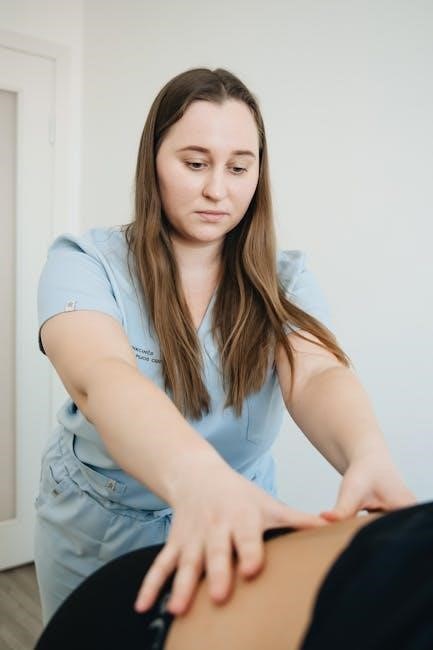
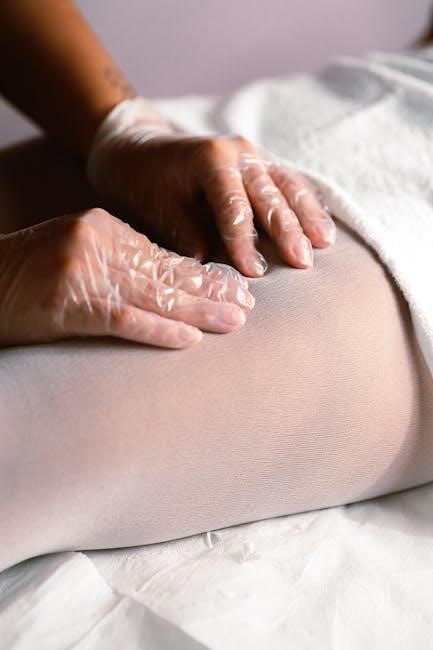
Soft tissue mobilization is a core technique employed by Integrated Manual Therapists, focusing on the manipulation of muscles, tendons, ligaments, and fascia. This hands-on approach aims to break down adhesions, reduce muscle tension, and restore optimal tissue length and flexibility. Therapists rhythmically apply pressure, stretching and releasing restrictions within the soft tissues.
By mapping soft tissue structures, IMTs can effectively address areas of pain and dysfunction. This technique improves circulation, reduces inflammation, and enhances the body’s natural healing processes, ultimately contributing to improved movement and reduced discomfort. It’s a foundational element in a holistic treatment plan.
Muscle Energy Techniques (MET)
Muscle Energy Techniques (MET) are a specialized set of procedures utilized by Integrated Manual Therapists to restore musculoskeletal balance. This involves the patient actively contracting their muscles against a precisely controlled counterforce applied by the therapist.
MET aims to normalize joint motion, reduce muscle spasms, and improve overall biomechanics. By engaging the patient’s own muscle energy, therapists can effectively lengthen shortened muscles and mobilize restricted joints. This collaborative approach enhances patient participation and promotes lasting improvements in range of motion and function, contributing to pain reduction.
Joint Mobilization
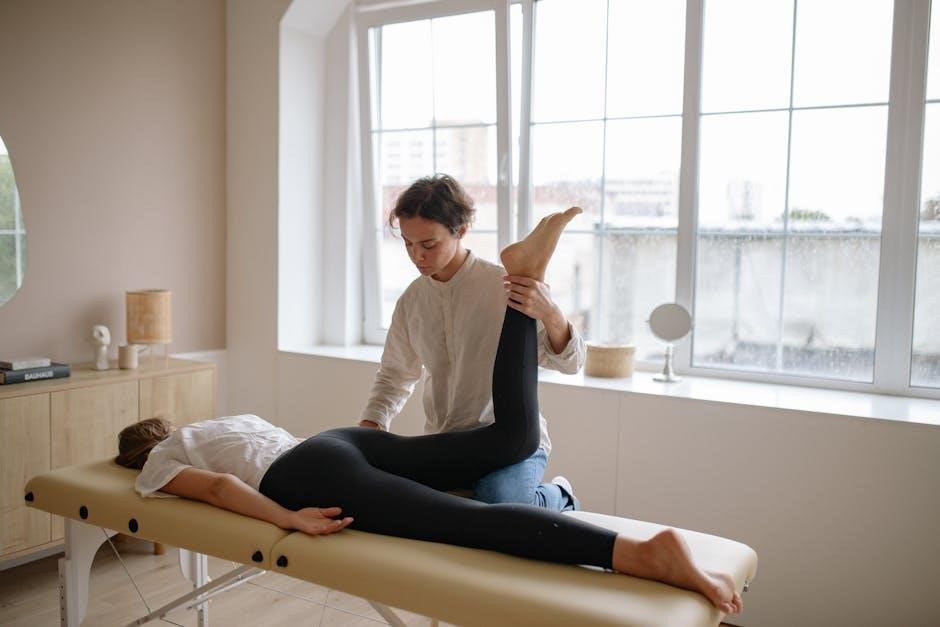
Joint Mobilization, a core technique for Integrated Manual Therapists, focuses on restoring optimal movement and reducing pain within the body’s joints. This involves skilled, hands-on techniques to address joint restrictions, utilizing graded oscillations and sustained pressures.
Therapists carefully assess joint mechanics to identify specific limitations and apply appropriate forces to restore proper alignment and function. This isn’t about forceful manipulation; it’s a gentle, rhythmic process aimed at improving joint play and decreasing stiffness, ultimately enhancing comfort and mobility for the patient.
Myofascial Release
Myofascial Release is a subtle yet powerful technique employed by Integrated Manual Therapists to address restrictions within the body’s fascia – the interconnected web of connective tissue surrounding muscles and organs. Therapists use sustained, gentle pressure to release fascial adhesions, restoring flexibility and reducing pain.
This isn’t simply muscle work; it acknowledges the fascia’s role in overall body mechanics. By releasing tension in the fascia, therapists can improve posture, movement patterns, and reduce chronic discomfort, promoting a more balanced and functional state.
The Benefits of Integrated Manual Therapy
Integrated Manual Therapy offers significant advantages, including pain reduction, improved motion, enhanced posture, and decreased muscle tension, fostering overall well-being.
Pain Reduction
Integrated Manual Therapy excels at diminishing pain through targeted techniques. By addressing the root causes of discomfort – often stemming from soft tissues, joints, or myofascial restrictions – therapists can effectively alleviate symptoms. Combining manual methods with therapies like shock wave, as research indicates, further amplifies pain reduction.
This approach doesn’t merely mask pain; it aims to restore proper biomechanics and reduce inflammation, leading to lasting relief. The holistic nature of the therapy considers the interplay between different body systems, ensuring a comprehensive and personalized pain management strategy. Ultimately, patients experience a noticeable decrease in pain intensity and improved quality of life.
Improved Range of Motion
Integrated Manual Therapy significantly enhances range of motion by releasing restrictions within joints, muscles, and fascia. Techniques like joint mobilization and soft tissue mobilization work synergistically to restore optimal movement patterns. Addressing myofascial limitations further contributes to increased flexibility and fluidity.
This improvement isn’t just about bending further; it’s about regaining functional movement for daily activities. By restoring proper biomechanics, patients experience greater ease and efficiency in their movements, reducing strain and preventing future injuries. The integrated approach ensures a holistic restoration of movement capabilities.
Enhanced Posture
Integrated Manual Therapy directly addresses postural imbalances through targeted soft tissue work and joint mobilization. Therapists identify and correct misalignments contributing to poor posture, releasing tension in muscles that pull the body out of alignment. Muscle energy techniques are employed to retrain postural muscles, promoting a more balanced and upright stance.
Improved posture isn’t merely cosmetic; it reduces strain on the spine, improves breathing mechanics, and enhances overall body efficiency. By restoring natural curves and alignment, patients experience reduced pain and increased energy levels, fostering long-term postural health;
Reduced Muscle Tension
Integrated Manual Therapy excels at alleviating muscle tension through a variety of techniques. Soft tissue mobilization and myofascial release directly address tight, restricted muscles and fascia, restoring flexibility and reducing discomfort. Muscle energy techniques help normalize muscle tone, releasing chronic contractions and improving muscle function.
By releasing tension, therapists improve circulation, reduce nerve compression, and restore optimal movement patterns. This leads to decreased pain, improved range of motion, and a greater sense of relaxation throughout the body, fostering overall well-being.
Conditions Commonly Treated
Integrated Manual Therapy effectively addresses musculoskeletal issues like back and neck pain, headaches, and sports injuries, promoting healing and restoring function.
Back Pain
Integrated Manual Therapy offers a comprehensive approach to back pain, moving beyond simply addressing symptoms. Therapists meticulously assess postural imbalances, movement patterns, and soft tissue restrictions contributing to discomfort. Techniques like soft tissue mobilization release tension in muscles surrounding the spine, while muscle energy techniques restore proper joint alignment.
Myofascial release addresses restrictions in the connective tissues, improving flexibility and reducing pain. This integrated strategy aims to identify and treat the root causes of back pain, not just mask the symptoms, leading to lasting relief and improved spinal health. Combining these methods with rehabilitative exercises enhances long-term stability.
Neck Pain
Integrated Manual Therapy provides targeted relief for neck pain by addressing the complex interplay of muscles, joints, and fascia in the cervical spine. Therapists utilize skilled palpation and movement assessments to pinpoint specific areas of restriction and dysfunction. Soft tissue mobilization eases muscle tension often caused by poor posture or stress, while gentle joint mobilization restores optimal movement.
Myofascial release techniques address connective tissue restrictions contributing to headaches and limited range of motion. This holistic approach aims to alleviate pain, improve posture, and restore proper biomechanics, promoting long-term neck health and preventing recurrence.
Headaches
Integrated Manual Therapy offers a comprehensive approach to headache relief, recognizing that pain often originates from musculoskeletal imbalances in the neck, shoulders, and even the temporomandibular joint (TMJ). Therapists employ techniques like myofascial release to address tension in the head, neck, and jaw muscles, reducing pressure and restoring proper function.
Soft tissue mobilization and joint mobilization can alleviate restrictions contributing to headache frequency and intensity. By restoring optimal biomechanics and reducing muscle tension, Integrated Manual Therapy aims to provide lasting relief and minimize reliance on medication.
Sports Injuries
Integrated Manual Therapy plays a crucial role in both the treatment and prevention of sports injuries. Therapists utilize techniques like muscle energy techniques (MET) and soft tissue mobilization to address muscle strains, ligament sprains, and joint restrictions commonly experienced by athletes.
By restoring proper movement patterns and addressing underlying biomechanical imbalances, therapy accelerates recovery and reduces the risk of re-injury. Combining manual techniques with rehabilitative exercises, therapists help athletes regain strength, flexibility, and optimal performance, returning them safely to their sport.

Integration with Other Therapies
Integrated Manual Therapy excels when combined with modalities like physical therapy, chiropractic care, shock wave therapy, and visual color-impulse therapy for enhanced results.
Physical Therapy
Physical Therapy and Integrated Manual Therapy create a powerful synergy. While manual therapy addresses specific musculoskeletal restrictions, physical therapy focuses on broader movement patterns and functional rehabilitation. Integrating these approaches allows therapists to not only alleviate pain but also restore optimal movement and prevent future injuries.
A physical therapist’s exercise prescription complements manual techniques, strengthening weakened muscles and improving overall stability. This combined strategy is particularly effective for conditions requiring comprehensive recovery, like post-surgical rehabilitation or complex sports injuries. The multidisciplinary approach ensures a holistic and lasting therapeutic effect, optimizing patient outcomes.
Chiropractic Care
Chiropractic Care often focuses on spinal alignment and its impact on the nervous system, while Integrated Manual Therapy takes a broader, whole-body approach. Combining these disciplines offers patients a comprehensive treatment plan. A chiropractor’s adjustments can restore proper joint mechanics, creating a more receptive environment for manual therapy techniques to address surrounding soft tissues.
This integrated strategy allows for a more thorough and effective resolution of musculoskeletal issues. Both professions emphasize a hands-on approach, but their distinct skillsets complement each other, leading to improved patient outcomes and a faster return to function.
Visual Color-Impulse Therapy
Visual Color-Impulse Therapy utilizes specific wavelengths of light delivered to the skin, aiming to modulate physiological processes and promote healing. When integrated with manual therapy, it can enhance therapeutic effects, particularly in pain management and tissue recovery. Research indicates a positive synergy between manual techniques and this light-based therapy, potentially reducing pain intensity and improving bioelectrical activity.
This combined approach addresses both the mechanical and neurological aspects of dysfunction, offering a more holistic treatment strategy. It’s believed to stimulate cellular repair and reduce inflammation, complementing the benefits of manual interventions.
Shock Wave Therapy
Shock Wave Therapy employs acoustic pulses to stimulate healing within musculoskeletal tissues. Integrated with manual therapy, it proves highly effective, particularly for chronic pain conditions and stubborn soft tissue injuries. Evidence suggests a combined approach demonstrably decreases pain levels and improves overall bioelectrical function, accelerating recovery.
The mechanical energy from shock waves breaks down scar tissue and encourages neovascularization, while manual techniques address underlying biomechanical imbalances. This synergy optimizes treatment outcomes, offering patients a more comprehensive and lasting solution for pain and dysfunction.

The Importance of a Thorough Assessment
A detailed assessment – including postural, movement, and neurological evaluations – is crucial for an integrated manual therapist to pinpoint dysfunction origins.
Postural Analysis
Postural analysis forms a cornerstone of the initial assessment performed by an integrated manual therapist. This involves a comprehensive observation of the patient’s body alignment from various views – anterior, posterior, and lateral. The therapist meticulously evaluates deviations from optimal posture, identifying imbalances and asymmetries.
These observations reveal patterns of muscle tension, structural misalignments, and compensatory mechanisms. Analyzing posture isn’t simply about identifying “good” or “bad” posture; it’s about understanding how the body is organizing itself in response to internal and external stresses. This detailed analysis guides the therapist in formulating a targeted and effective treatment plan, addressing the root causes of dysfunction rather than merely treating symptoms.
Movement Assessment
Movement assessment is crucial for an integrated manual therapist to understand how a patient’s body functions dynamically. This goes beyond static posture, observing how the patient moves through a range of motions – walking, bending, twisting, and performing specific functional tasks.
The therapist looks for limitations in range of motion, compensatory patterns, and inefficient movement strategies. Observing movement reveals how different body segments interact and identifies areas of restriction or weakness. This assessment helps pinpoint the underlying causes of pain and dysfunction, informing a treatment plan focused on restoring optimal movement patterns and improving overall biomechanics.
Palpation
Palpation is a fundamental skill for an integrated manual therapist, involving the use of hands to carefully examine tissues and structures within the body. This isn’t simply ‘feeling for bumps’; it’s a refined assessment of tissue texture, temperature, movement, and tenderness.
Through palpation, therapists can identify areas of muscle tension, fascial restrictions, joint dysfunction, and inflammation. They assess the quality of soft tissues, noting changes in tone, elasticity, and hydration. This detailed tactile information guides treatment, allowing the therapist to precisely target areas needing intervention and monitor changes throughout therapy.
Neurological Screening
Neurological screening is a crucial component of a thorough assessment performed by an integrated manual therapist. It helps determine how the nervous system influences movement, pain, and overall function. This involves evaluating reflexes, muscle strength, sensation, and coordination.
These tests identify potential neurological impairments that may contribute to musculoskeletal issues. Assessing nerve tension, cranial nerve function, and spinal cord integrity provides valuable insights. This screening informs treatment strategies, ensuring interventions don’t exacerbate neurological conditions and helps tailor approaches for optimal patient outcomes;

Education and Certification
Becoming an Integrated Manual Therapist requires extensive post-graduate training, focusing on specialized manual techniques and a deep understanding of anatomy and physiology.
Required Education
Aspiring Integrated Manual Therapists typically begin with a foundational healthcare degree – such as physical therapy, chiropractic, or osteopathic medicine – providing a strong base in anatomy, physiology, and pathology. Following this, dedicated post-graduate training is crucial, often involving hundreds of hours of specialized coursework and hands-on laboratory work.
This advanced education focuses on mastering various manual therapy techniques, including soft tissue mobilization, muscle energy techniques, and joint mobilization. A comprehensive curriculum will also emphasize a holistic understanding of biomechanics, neurological function, and the interplay between different body systems. Successful completion of these programs prepares practitioners to effectively assess and treat a wide range of musculoskeletal conditions.
Continuing Education
Integrated Manual Therapists must commit to lifelong learning to maintain expertise and adapt to evolving research. The field continually advances, necessitating ongoing professional development. This includes attending workshops, seminars, and advanced courses focused on new techniques, specialized populations, or emerging evidence-based practices.
Staying current ensures practitioners deliver the most effective and safe care. Continuing education also fosters critical thinking and refinement of clinical skills. Many certification bodies require a specific number of continuing education units (CEUs) for license renewal, demonstrating a dedication to professional growth and patient well-being.
Certification Bodies
Several organizations offer certifications for Integrated Manual Therapists, validating their specialized training and competency. While a universally recognized standard is still developing, reputable bodies demonstrate a commitment to rigorous educational standards and ethical practice. These organizations often establish specific curriculum requirements and clinical hour prerequisites for certification.
Examples include organizations focused on manual therapy, musculoskeletal medicine, or related fields. Choosing a therapist certified by a respected body provides assurance of their qualifications and dedication to providing high-quality, evidence-informed care. Verification of credentials is always recommended.

Finding a Qualified Integrated Manual Therapist
Locate a skilled therapist by verifying credentials, seeking recommendations, and scheduling consultations to discuss your needs and their approach to treatment.
Credentials to Look For
When seeking an Integrated Manual Therapist, prioritize practitioners with robust training and recognized certifications. Look for individuals who have completed comprehensive programs in manual therapy techniques, including soft tissue mobilization, muscle energy techniques, and joint mobilization.
Verify their educational background and ensure they possess a valid license to practice in your region. Continuing education is crucial; therapists should actively pursue advanced training to stay current with evolving methodologies.
Specific certifications from reputable organizations demonstrate a commitment to excellence and a standardized level of competency. Don’t hesitate to inquire about their specific qualifications and experience during a consultation.
Questions to Ask During a Consultation
During your initial consultation, proactively engage with the therapist to ensure a good fit. Inquire about their experience treating conditions similar to yours and their specific approach to integrated manual therapy.
Ask about the proposed treatment plan – how many sessions are anticipated, and what techniques will be utilized? Understand their philosophy regarding patient involvement and home exercises.
Clarify their understanding of your pain or dysfunction and how they plan to address the root cause, not just the symptoms. A thorough assessment and clear communication are vital for a successful therapeutic relationship.
Importance of Experience
An Integrated Manual Therapist’s experience is paramount to effective treatment. Years of practice refine their palpation skills, diagnostic accuracy, and ability to adapt techniques to individual needs.
Experienced therapists have encountered a wider range of conditions, enhancing their problem-solving capabilities and understanding of biomechanics. They’ve likely honed their skills through continuing education and diverse clinical settings.
Look for a practitioner who demonstrates a deep understanding of anatomy, physiology, and the interplay between different body systems, translating knowledge into skillful, patient-centered care.

The Future of Integrated Manual Therapy
The future involves ongoing research, technological advancements, and an expanding scope of practice, solidifying integrated manual therapy’s role in healthcare.
Research and Development
Robust research is crucial for validating the efficacy of Integrated Manual Therapy (IMT) techniques and expanding its evidence base. Current studies demonstrate positive outcomes when IMT is combined with therapies like visual color-impulse and shock wave therapy, showcasing pain reduction and improved bioelectrical activity.
Future research should focus on specific conditions, optimal treatment protocols, and long-term effects. Investigating the neurological impact of IMT and its influence on the body’s pain pathways will be vital. Further exploration into the synergistic effects of combining IMT with other modalities is also needed to refine treatment approaches and enhance patient care.
Technological Advancements
While rooted in hands-on skill, Integrated Manual Therapy (IMT) can benefit from technological integration. Developments in diagnostic imaging, like advanced MRI and ultrasound, offer deeper insights into soft tissue structures and joint mechanics, aiding precise assessment.
Biofeedback devices can enhance patient awareness of muscle activation and movement patterns, improving treatment outcomes. Furthermore, computer-aided analysis of posture and movement can provide objective data for tracking progress. The evolution of computing, from mechanical origins to digital revolutions, indirectly supports IMT by providing tools for research and data analysis.
Expanding Scope of Practice
The future of IMT envisions a broadened role for therapists, extending beyond traditional musculoskeletal issues. Integrating principles from neurological rehabilitation and fascial research allows addressing complex conditions like chronic pain syndromes and movement disorders.
As understanding of the body’s interconnectedness grows – mirroring the evolution of computing from simple calculators to integral societal components – IMT’s scope will naturally expand. This includes preventative wellness programs and performance enhancement for athletes, solidifying IMT as a vital component of holistic healthcare.