Neurology focuses on the brain, spine, and nervous system, addressing disorders that impact daily life. The brain and spine are central to controlling functions, making their care essential for overall well-being.
1.1 Overview of the Brain and Its Functions
The brain is the control center of the body, managing voluntary and involuntary functions. It consists of the cerebrum, cerebellum, and brainstem, each with distinct roles. The cerebrum handles thought, emotion, and memory, while the cerebellum coordinates movement. The brainstem regulates vital functions like breathing and heart rate. Neurons and synapses enable communication, forming complex networks. The brain’s ability to adapt and heal is crucial for recovery from injuries or disorders. Understanding its functions is key to addressing neurological conditions and improving overall health.
1.2 The Role of Neurology in Healthcare
Neurology plays a vital role in healthcare by diagnosing and treating brain, spine, and nervous system disorders. Neurologists specialize in managing conditions like epilepsy, stroke, and multiple sclerosis, improving patient outcomes. They use advanced diagnostic tools such as MRI and EEG to identify issues early. Collaborating with neurosurgeons and other specialists, neurologists develop comprehensive treatment plans. Their work enhances quality of life for millions affected by neurological conditions, emphasizing the importance of neurological care in healthcare systems. By addressing these disorders, neurology contributes significantly to overall public health and well-being.
The Spine and Its Importance in Neurology
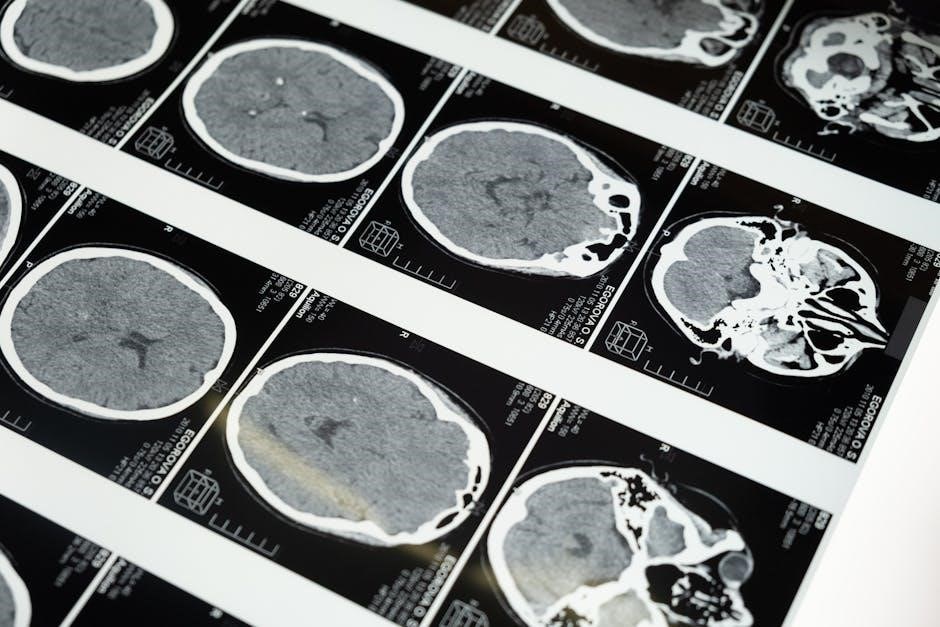
The spine is crucial in neurology as it houses the spinal cord, protecting it and enabling communication between the brain and body. Spinal health is vital for nervous system function and overall well-being.
2.1 Anatomy of the Spine and Nervous System
The spine, or vertebral column, is a complex structure that houses the spinal cord, a vital part of the nervous system. The spinal cord is protected by vertebrae and discs, ensuring proper communication between the brain and body. It consists of grey and white matter, with grey matter processing information and white matter facilitating nerve signal transmission. The nervous system is divided into central (brain and spinal cord) and peripheral (nerves branching from the spinal cord) components. The spine’s anatomy includes cervical, thoracic, lumbar, and sacral regions, each supporting different bodily functions. Damage to the spine can disrupt nervous system function, emphasizing its critical role in neurology.
2.2 Common Spinal Disorders and Their Impact
Common spinal disorders include herniated discs, spinal stenosis, and degenerative conditions like spondylosis. These issues can cause significant pain, numbness, and limited mobility, affecting daily activities. Herniated discs often compress nerves, leading to conditions such as sciatica. Spinal stenosis narrows the spinal canal, putting pressure on the spinal cord and nerves. Degenerative disorders can result in chronic pain and instability. These conditions not only impair physical function but also contribute to mental health challenges due to prolonged discomfort. Early diagnosis and treatment are crucial to managing symptoms and improving quality of life. Understanding these disorders is essential for effective neurological care and maintaining spinal health.
Neurological Disorders
Neurological disorders affect the brain, spine, and nervous system, causing conditions like epilepsy, Parkinson’s, and multiple sclerosis. These disorders impact movement, cognition, and overall quality of life significantly.
3.1 Types of Neurological Disorders

Neurological disorders vary widely, ranging from epilepsy and Parkinson’s disease to multiple sclerosis and functional neurological disorders. These conditions affect the brain, spine, and nervous system, often impacting movement, cognition, and sensory functions. Epilepsy causes seizures due to abnormal brain activity, while Parkinson’s disease leads to tremors and motor impairment. Multiple sclerosis damages the protective covering of nerve fibers, disrupting communication between the brain and body. Functional neurological disorders, like FND, involve nervous system dysfunction without clear structural damage. Each type of disorder requires tailored diagnostic approaches and treatment plans to manage symptoms and improve quality of life for patients.
3.2 Causes and Risk Factors of Neurological Conditions
Neurological conditions often stem from a combination of genetic, environmental, and lifestyle factors. Genetic predisposition plays a significant role in disorders like Huntington’s disease and certain types of epilepsy. Aging is another major risk factor, as conditions such as Alzheimer’s disease and Parkinson’s disease are more prevalent in older populations. Infections, autoimmune diseases, and traumatic injuries to the brain or spine can also trigger neurological issues. Additionally, environmental toxins, poor diet, and substance abuse may contribute to the development of these conditions. Understanding these causes and risk factors is crucial for early intervention, prevention, and effective management of neurological disorders.
3.3 Symptoms and Diagnosis of Neurological Disorders
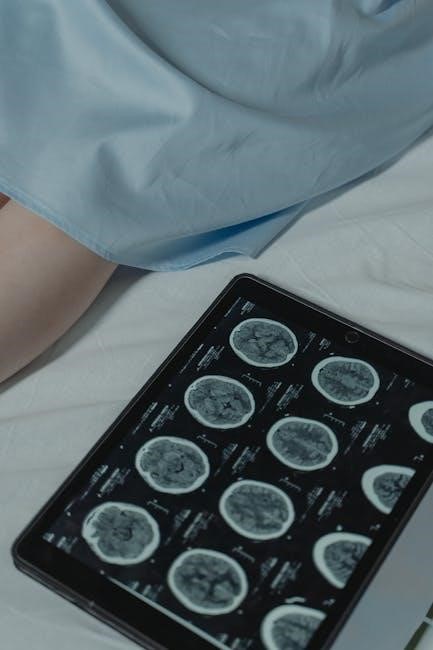
Neurological disorders often present with diverse symptoms, including seizures, muscle weakness, cognitive impairment, and sensory disturbances. Early diagnosis is critical for effective treatment. Physicians use advanced imaging techniques like MRI and CT scans to visualize brain and spine abnormalities. Electroencephalograms (EEG) are employed to assess electrical activity in the brain, aiding in diagnosing conditions such as epilepsy. Lumbar punctures may be performed to analyze cerebrospinal fluid for infections or inflammation. Comprehensive neurological exams evaluate motor skills, reflexes, and coordination. Accurate diagnosis requires a combination of clinical evaluation, patient history, and diagnostic tests. Early detection improves outcomes, emphasizing the importance of timely medical consultation for suspicious symptoms.
3.4 The Role of Neurosurgeons and Neurologists
Neurosurgeons and neurologists play pivotal roles in diagnosing and treating brain and spine conditions. Neurologists specialize in non-surgical treatments, focusing on medications, therapies, and managing chronic conditions like epilepsy or Parkinson’s disease. They often use diagnostic tools such as MRI, CT scans, and EEG to identify neurological issues. Neurosurgeons, on the other hand, are trained to perform surgical interventions for conditions like tumors, aneurysms, or spinal injuries. Both professionals collaborate to develop comprehensive treatment plans tailored to patient needs. Their expertise ensures accurate diagnoses and effective care, improving quality of life for individuals with neurological disorders. Their work is essential in addressing both acute and long-term neurological challenges.
Treatment Options for Brain and Spine Conditions
Treatment options for brain and spine conditions include medication, surgery, therapy, and lifestyle changes, integrated to address specific needs and enhance recovery effectively for patients.
4.1 Medication and Its Role in Managing Neurological Disorders
Medication plays a vital role in managing neurological disorders by alleviating symptoms, slowing disease progression, and improving quality of life. Various drugs target specific conditions, such as anticonvulsants for epilepsy, muscle relaxants for spasms, and immunomodulators for multiple sclerosis. These medications help control seizures, reduce inflammation, and manage pain, enabling patients to maintain daily activities. However, medication alone is often insufficient, requiring integration with surgery, therapy, and lifestyle adjustments for comprehensive care. Personalized treatment plans ensure optimal outcomes, emphasizing the importance of healthcare provider guidance to tailor therapies effectively.
4.2 Surgical Interventions for Brain and Spine Conditions
Surgical interventions are often necessary for complex brain and spine conditions, such as tumors, aneurysms, or severe spinal injuries. Neurosurgeons specialize in performing delicate procedures to repair or remove damaged tissue, relieve pressure, or restore function. Advanced techniques, including minimally invasive surgeries, reduce recovery time and complications. For spinal issues, procedures like spinal fusion or disc replacement can alleviate pain and improve mobility; Surgery is typically considered when other treatments fail to provide relief. Neurosurgeons work closely with neurologists and other specialists to ensure comprehensive care, tailoring surgical plans to each patient’s unique needs for optimal outcomes.
4.3 Therapy and Rehabilitation in Neurological Care
Therapy and rehabilitation play a crucial role in neurological care, helping patients regain function and independence after brain or spine conditions. Physical, occupational, and speech therapies are commonly used to address mobility, daily activities, and communication challenges. Rehabilitation programs are tailored to individual needs, focusing on recovery and adaptation. These therapies often complement medical treatments, enhancing overall outcomes. Specialists work together to design comprehensive plans, ensuring patients receive the support needed for long-term recovery. Rehabilitation is essential for improving quality of life and helping patients reintegrate into their daily routines effectively.
4.4 Lifestyle Changes and Preventive Measures
Lifestyle changes and preventive measures are vital in managing and preventing neurological conditions. A healthy diet rich in antioxidants, regular exercise, and stress management can significantly reduce the risk of brain and spine disorders. Avoiding smoking, limiting alcohol consumption, and maintaining a healthy weight are also crucial. Regular check-ups and early intervention can help identify potential issues before they escalate. Additionally, staying mentally active and engaged can support brain health. By adopting these measures, individuals can improve their overall neurological well-being and reduce the likelihood of developing severe conditions. Preventive care is a cornerstone of long-term health for the brain and spine.
Advances in Neurosurgery
Advances in neurosurgery include minimally invasive techniques, robotic-assisted surgeries, and advanced imaging, enhancing precision and improving patient outcomes while minimizing risks and recovery times.

5.1 Modern Techniques in Neurosurgery
Modern neurosurgery employs advanced techniques like minimally invasive procedures, robotic-assisted surgeries, and intraoperative MRI. These methods enhance precision, reduce recovery times, and minimize complications. Robotic systems allow for greater accuracy in complex procedures, while advanced imaging provides real-time feedback. Minimally invasive approaches, such as endoscopic surgery, reduce tissue damage and promote faster healing. Additionally, technologies like stereotactic radiosurgery enable non-invasive treatment of brain tumors and vascular malformations. These innovations improve patient outcomes, making neurosurgery safer and more effective. Continuous advancements in surgical tools and techniques are transforming the field, offering hope for patients with complex brain and spine conditions.
5.2 The Importance of Neurosurgery in Treating Brain and Spine Disorders
Neurosurgery plays a critical role in treating brain and spine disorders, offering precise and often life-saving interventions. Neurosurgeons specialize in addressing complex conditions such as brain tumors, aneurysms, and spinal injuries. Their expertise enables the removal of tumors, repair of vascular abnormalities, and decompression of nerves. Neurosurgery complements other treatments like medication and therapy, providing a comprehensive approach to care. By collaborating with neurologists and other specialists, neurosurgeons ensure personalized treatment plans tailored to each patient’s needs. Their surgical interventions often restore function, alleviate pain, and improve quality of life, making neurosurgery indispensable in managing severe neurological conditions.

Rehabilitation and Recovery
Rehabilitation and recovery are crucial for restoring function and independence after neurological conditions. Tailored therapies and multidisciplinary care help patients regain strength, mobility, and cognitive abilities, improving overall quality of life.
6.1 Types of Rehabilitation for Neurological Conditions
Rehabilitation for neurological conditions includes physical, occupational, and speech therapies to restore lost functions. Physical therapy focuses on improving mobility and strength, while occupational therapy helps with daily activities. Speech therapy addresses communication challenges. Cognitive rehabilitation targets memory and thinking skills, and psychological support aids mental well-being. These therapies are tailored to individual needs, aiming to maximize independence and quality of life. A multidisciplinary team, including neurologists, therapists, and nurses, collaborates to create personalized plans; Rehabilitation can occur in inpatient or outpatient settings, depending on severity. The goal is to help patients adapt to their condition and regain as much functionality as possible, fostering long-term recovery and adaptation.
6.2 The Role of Rehabilitation in Full Recovery
Rehabilitation plays a crucial role in achieving full recovery from neurological conditions by helping patients regain lost skills and adapt to new limitations. It focuses on improving physical, cognitive, and emotional functioning through tailored therapies. Rehabilitation programs often combine physical, occupational, and speech therapies to address specific deficits. These interventions help patients regain independence in daily activities, such as walking, dressing, and communicating. Additionally, psychological support is provided to cope with emotional challenges. Rehabilitation is a long-term process that requires patience and dedication from both the patient and healthcare providers. The goal is to maximize recovery, enhance quality of life, and empower individuals to reintegrate into their communities effectively.

Recent Research and Developments in Neurology
Recent advancements in neurology include breakthroughs in brain metabolomics, enhancing diagnostic accuracy and treatment efficacy. Clinical trials and integrative care models are revolutionizing patient outcomes globally.
7.1 Breakthroughs in Brain and Spine Research
Recent breakthroughs in brain and spine research have significantly advanced our understanding of neurological conditions. Brain metabolomics has emerged as a powerful tool for diagnosing and studying dementia and other neurological diseases. This technique examines brain metabolism, blood flow alterations, and neurotransmitter receptor binding, providing deeper insights into disease mechanisms. Additionally, advancements in spinal cord repair and regeneration are offering new hope for patients with severe spinal injuries. Clinical trials are also playing a pivotal role in testing innovative treatments, ensuring safer and more effective therapies. These developments underscore the importance of continued research in improving diagnostic accuracy and treatment outcomes for brain and spine disorders.
7.2 The Impact of Technology on Neurological Treatments
Technology has revolutionized neurological treatments, offering precise diagnostics and innovative therapies. Advanced imaging techniques, such as functional MRI and PET scans, provide detailed insights into brain metabolism and neurotransmitter activity, aiding in early diagnosis. Brain metabolomics has become a key tool for studying dementia and other neurological conditions, enabling personalized treatment plans. Additionally, advancements in neurosurgery, like minimally invasive procedures, reduce recovery times and improve outcomes. Technology also enhances rehabilitation through virtual reality and robotic systems, helping patients regain mobility and cognitive function. These innovations, combined with telemedicine, expand access to care, ensuring better management of brain and spine disorders worldwide.
7.3 Clinical Trials and Their Significance
Clinical trials play a pivotal role in advancing neurological care by testing innovative treatments and therapies. These trials evaluate the safety and efficacy of new medications, surgical techniques, and rehabilitation methods, ensuring evidence-based approaches. By participating in clinical trials, patients gain access to cutting-edge treatments that may not be widely available. Researchers use data from these trials to refine therapies, addressing unmet needs in neurology. Trials also foster collaboration among neurologists, neurosurgeons, and patients, driving progress in understanding brain and spine disorders. Ultimately, clinical trials pave the way for breakthroughs, improving outcomes and quality of life for those affected by neurological conditions.

Living with Neurological Conditions
Living with neurological conditions requires adaptability and resilience. Coping strategies, support systems, and community networks play a vital role in managing daily challenges and improving quality of life.

8.1 Coping with Daily Life and Neurological Disorders
Coping with neurological disorders requires a blend of resilience, adaptability, and strategic planning. Daily life can present unique challenges, but with the right strategies, individuals can maintain independence and well-being. Structured routines, assistive devices, and lifestyle adjustments often play a crucial role. Support from family, friends, and community networks can significantly ease the burden. Professional guidance from neurologists and therapists helps tailor coping mechanisms to individual needs. Additionally, awareness initiatives like Purple Day for epilepsy highlight the importance of understanding and supporting those with neurological conditions. By fostering a supportive environment and embracing proactive approaches, individuals can navigate daily life more effectively and improve their overall quality of life.
8.2 Support Systems for Patients and Families

Support systems are vital for patients and families dealing with neurological conditions. Community initiatives, like Purple Day for epilepsy awareness, foster understanding and connection. Professional guidance from neurologists, therapists, and support groups provides emotional and practical assistance. Families often benefit from counseling to navigate caregiving challenges. Practical support, such as helplines and online resources, offers accessible information and advice. Healthcare providers play a key role in coordinating care and ensuring comprehensive support. By combining community efforts, professional guidance, and accessible resources, patients and families can better manage daily challenges and improve their overall well-being. Strong support systems are essential for fostering resilience and enhancing quality of life.
The Future of Neurology
The future of neurology promises advancements in brain and spine care through emerging technologies and increased awareness, enhancing treatment options and improving patient outcomes significantly.
9.1 Emerging Trends in Brain and Spine Care
Emerging trends in brain and spine care include advanced neurosurgical techniques, personalized medicine, and the integration of technology. Minimally invasive surgeries and robotic-assisted procedures are becoming more prevalent, reducing recovery times and improving outcomes. Additionally, there is a growing focus on biomarkers and genetic research to tailor treatments for neurological conditions. Interdisciplinary collaboration between neurologists, neurosurgeons, and rehabilitation specialists is also on the rise, ensuring comprehensive care. Advances in imaging and diagnostic tools, such as functional MRI and PET scans, are enhancing early detection and monitoring of brain and spine disorders. These trends highlight a shift toward precision medicine and holistic approaches in neurology.
9.2 The Role of Awareness in Improving Neurological Health
Awareness plays a crucial role in improving neurological health by educating individuals about brain and spine disorders. Campaigns like Purple Day for epilepsy highlight the importance of understanding neurological conditions, reducing stigma, and encouraging early diagnosis. Public awareness initiatives empower patients and families to seek timely medical help, improving outcomes. Governments and organizations are increasingly recognizing the need to integrate neurological care into primary healthcare systems, as seen in Nigeria’s commitment to addressing brain and spine disorders. By fostering awareness, communities can better support those affected, promote preventive measures, and advocate for advanced treatments. This collective effort enhances overall neurological health and quality of life globally.
In conclusion, neurology and the care of the brain and spine are vital for maintaining overall health and quality of life. Advances in neurosurgery, rehabilitation, and awareness campaigns like Purple Day have significantly improved outcomes for individuals with neurological disorders. The integration of neurological care into primary healthcare systems, as seen in Nigeria, underscores the growing recognition of its importance. By fostering awareness, promoting early diagnosis, and supporting research, we can continue to enhance neurological health globally.
The dedication of neurologists, neurosurgeons, and healthcare professionals remains central to addressing brain and spine conditions effectively. Their efforts, combined with public awareness, pave the way for a future where neurological health is prioritized and accessible to all.