Collocations‚ the habitual pairings of words‚ become vivid when extracted from PDF corpora. Learners can scan authentic documents—academic papers‚ news articles‚ or even font design histories:to spot recurring patterns. By annotating these PDFs‚ students internalize natural usage and improve fluency.
Importance of Collocations in Language Learning
Collocations are the building blocks of natural language‚ and PDFs offer a rich‚ authentic source for learners to encounter them in context. By scanning scholarly articles‚ design briefs‚ or historical typeface documentation‚ students can spot frequent pairings such as “strong collocation” or “natural usage.” Annotating these PDFs with highlights and notes reinforces memory through visual and tactile engagement. Research shows that learners who practice collocation extraction from real‑world texts outperform those who rely solely on isolated word lists. The process encourages metacognitive awareness: students notice patterns‚ question exceptions‚ and test their understanding by predicting missing words. PDF‑based collocation practice aligns with CEFR B1‑C1 objectives‚ preparing learners for exams like IELTS‚ TOEFL‚ or professional certifications. Integration of PDF annotation tools—Adobe Acrobat‚ Foxit‚ or specialized apps—adds an interactive layer‚ allowing learners to create flashcards‚ quizzes‚ or spaced‑repetition schedules directly from the source material. This synergy of authentic content‚ visual cues‚ and active retrieval makes collocation learning both effective and engaging.
- PDFs offer a wide range of registers‚ from academic to informal‚ enabling learners to see collocations across contexts.
- Highlighting tools help identify repeated structures‚ such as “strong collocation‚” “natural usage‚” or “effective strategy.”
- Annotation comments allow learners to note exceptions‚ synonyms‚ or idiomatic nuances.
- Exporting marked passages into spaced‑repetition software (Anki‚ Quizlet) extends practice beyond the screen.
- Collaborative annotation (shared PDFs) fosters peer discussion and collective knowledge building.
- Regular review of annotated PDFs boosts long‑term retention and supports advanced proficiency.

PDF Resources for Collocation Practice
Official collocation dictionaries in PDF format provide curated lists of common pairings. Academic papers on collocation analysis offer raw corpora for extraction. Both resources allow learners to annotate PDFs‚ highlight patterns‚ and build personalized flashcards.
These PDFs are free for study.
Official Collocation Dictionaries in PDF Format
Official collocation dictionaries published by academic institutions and lexical research centers are available in PDF format‚ offering a comprehensive view of word pairings across registers. These PDFs typically contain thousands of entries‚ each accompanied by example sentences‚ frequency data‚ and semantic notes. Learners can extract collocations from these documents by using PDF readers that support text selection and annotation‚ then transfer the highlighted pairs into spaced‑repetition systems such as Anki or Quizlet for targeted practice.
Key features of these resources include:
- Authoritative source data drawn from large corpora (e.g.‚ COCA‚ BNC).
- Clear categorization by part of speech‚ allowing users to focus on adjective‑noun‚ verb‑object‚ or preposition‑noun collocations.
- Annotated examples that illustrate typical usage contexts‚ helping learners understand nuance.
- Cross‑referenced entries that show related collocations‚ fostering deeper lexical connections.
- Downloadable PDFs that can be opened on any device‚ ensuring portability for on‑the‑go study.

Because these dictionaries are official‚ they maintain consistency in terminology and avoid the informal pairings that sometimes appear in user‑generated content. By integrating them into a PDF‑based workflow‚ students can systematically build a robust mental lexicon‚ track progress‚ and identify gaps in their collocation knowledge. and more!!!!!
Academic Papers on Collocation Analysis
Academic papers that focus on collocation analysis are frequently published as PDFs‚ enabling researchers to disseminate findings in a portable format. These documents often include detailed methodology sections that describe corpus selection‚ tokenization‚ and statistical measures such as mutual information‚ t‑score‚ and log‑likelihood. By examining the raw data tables and frequency lists embedded in the PDF‚ learners can trace how collocations emerge across different registers and genres.
Key elements of these papers include:
- Comprehensive corpus descriptions‚ specifying size‚ source‚ and preprocessing steps.
- Explicit collocation extraction algorithms‚ often implemented in software like R‚ Python‚ or specialized linguistic tools.
- Visualization of collocation networks‚ which can be exported as PDF figures for easy reference;
- Discussion of semantic constraints and idiomatic usage‚ providing context for each collocation pair.
- Recommendations for pedagogical application‚ suggesting how to incorporate collocation data into lesson plans.
Because the PDF format preserves formatting and embedded hyperlinks‚ scholars can share annotated examples directly with students‚ who can then use PDF readers to highlight and annotate the collocations for further study. This synergy between academic research and learner practice underscores the value of PDFs in collocation education.
Research shows that annotating collocation in PDF enhances retention‚ especially when learners revisit material in spaced intervals. This practice aligns with memory consolidation theories‚ supporting long‑term lexical acquisition.

Collocation Types and Examples
PDFs reveal four main collocation categories: adjective‑noun (e.g.‚ strong coffee)‚ verb‑object (e.g.‚ make progress)‚ adverb‑verb (e.g.‚ quickly respond)‚ and preposition‑word (e.g.‚ in spite of). These patterns aid learners. Students can mark these pairs a review.
Adjective-Noun Collocations
Adjective noun pairs are the backbone of natural phrasing. PDFs from academic journals‚ design briefs‚ and style guides provide a treasure trove of such collocations. For instance‚ the typography section of the Century Expanded PDF lists “bold face”‚ “italic style”‚ and “condensed typeface”. In the font‑design history PDF‚ phrases like “modern serif”‚ “classic Roman”‚ and “expanded weight” appear repeatedly‚ illustrating how designers describe type families. Learners can highlight these pairs‚ noting that “strong coffee” and “quick snack” are common in everyday language PDFs. By extracting adjective noun combinations from real documents‚ students see how modifiers shape meaning‚ recognize patterns like “high quality” or “low cost”‚ and reinforce memory through contextual repetition. Annotation tools such as Adobe Acrobat or Foxit allow users to underline adjectives and link them to their nouns‚ creating a visual map of collocation frequency. This method helps learners move beyond rote memorization to authentic usage‚ preparing them for exams like IELTS or TOEFL where collocation accuracy is crucial. Students can also use the PDF’s search function to locate all instances of a particular adjective‚ enabling targeted practice and statistical analysis of collocation density. Moreover‚ when annotating‚ learners can color‑code adjectives by semantic field—such as color‚ size‚ or quality—making patterns visually distinct and easier to recall. This systematic approach builds confidence in communication. Learners can create a spreadsheet of adjective noun‚ tracking frequency. Reviewing collocations across PDFs—business‚ literary‚ technical—ensures versatility; Students can then test these collocations in exercises to cement usage. Regular review quickly of these pairs across PDFs strengthens retention.

Verb-Object Collocations
When students scan PDFs‚ they encounter verb‑object pairings that reveal how actions are described in real text. In the Century Expanded PDF‚ the phrase “issue a typeface” appears repeatedly‚ as does “design a font” and “release a design”. These collocations illustrate the relationship between a verb and its object in the domain of typography. In academic papers‚ verbs such as “analyze data”‚ “compare results”‚ and “evaluate findings” occur in PDF form‚ showing how researchers frame their work. Design briefs include “draft a proposal”‚ “finalize a layout”‚ and “publish a document”. By highlighting these verb‑object pairs‚ learners can see that certain verbs naturally pair with specific objects‚ making language usage more fluid. Annotation tools allow students to underline the verb and its object‚ then link them to a glossary entry or a note explaining the collocation’s nuance. Repeated exposure to “submit a manuscript” or “conduct a survey” across multiple PDFs builds automaticity. Students can also use the PDF search function to locate all instances of a verb‚ then record the objects that follow‚ creating a collocation map. This systematic approach helps learners recognize patterns such as “create a file”‚ “open a document”‚ and “save a copy”. By practicing these verb‑object combinations in context‚ learners improve accuracy‚ especially in exam settings where collocation precision is rewarded. Regular review of these pairs across different PDF genres—business reports‚ scientific articles‚ and design manuals—ensures versatility and confidence in everyday communication. Students can also export highlighted collocations into flashcards‚ using tools like Anki‚ which supports PDF import. By reviewing these flashcards daily‚ learners reinforce the verb‑object pairings. Moreover‚ many PDF readers offer comment fields where students can write example sentences‚ further cementing the collocation in memory. Integrating these practices into a weekly routine—reading a new PDF‚ annotating verb‑object pairs‚ and testing them—creates a robust learning loop. The result is a deeper understanding of how verbs function with their objects‚ leading to more natural and confident language production.
Adverb-Verb Collocations
Verb pairings reveal how speakers modify actions. In PDF corpora‚ frequent patterns such as “quickly respond”‚ “frequently update”‚ “rarely occur”‚ and “carefully analyze” surface across disciplines. When students annotate a PDF‚ they can highlight the adverb and the verb together‚ then add a note explaining the nuance. For instance‚ “quickly respond” appears in customer‑service manuals‚ while “carefully analyze” is common in scientific reports. By collecting these pairs‚ learners see that certain adverbs naturally align with specific verbs‚ making language more precise. Tools like Adobe Acrobat allow users to underline both words and attach a comment that links to a definition or example sentence. Repeated exposure to “slowly compile”‚ “efficiently process”‚ and “accurately measure” helps students internalize the rhythm of English. Importing highlighted collocations into spaced‑repetition software such as Anki or Quizlet further reinforces memory. Students can also create a personal glossary within the PDF‚ where each adverb‑verb pair is linked to a usage note. This practice supports exam preparation‚ where collocation accuracy is often tested. Regularly scanning new PDFs—business plans‚ design briefs‚ or academic papers—ensures that learners encounter a variety of contexts‚ strengthening their ability to choose the right adverb for a given verb. Over time‚ the habitual pairing of adverbs and verbs becomes second nature‚ allowing learners to produce fluent‚ idiomatic English. This approach encourages learners to notice how adverb‑verb collocations shift meaning very subtle in different registers. Students often find that collocations provide subtle shades of meaning essential for advanced writing. In technical PDFs‚ verbs such as “implement”‚ “optimize”‚ and “validate” are frequently paired with adverbs like “efficiently”‚ “effectively”‚ and “accurately”. By noting these patterns‚ learners can anticipate the most natural verb choices. The PDF format preserves the original layout‚ allowing learners to see how collocations are used in headings‚ captions‚ and body text. Annotators can use sticky notes to record the frequency of each pair‚ then calculate a usage score. This quantitative approach helps prioritize which collocations to study first.

Preposition-Word Collocations
Preposition‑word collocations are essential for natural phrasing. PDFs offer authentic contexts where phrases like “in response to”‚ “on behalf of”‚ “at the expense of”‚ “with regard to”‚ and “in accordance with” appear repeatedly. By highlighting these in a PDF‚ learners can see how prepositions link nouns or clauses‚ shaping meaning. Annotating the preposition and its object together‚ then adding a brief note‚ helps cement the pair. For example‚ “on behalf of” is common in business letters‚ while “in accordance with” surfaces in legal documents. Students can extract a list of such collocations‚ categorize them by register‚ and import them into spaced‑repetition tools. The PDF format preserves formatting‚ making it easy to spot collocations in headings‚ footnotes‚ or tables. Regular practice with diverse PDFs—academic articles‚ design briefs‚ or marketing reports—ensures exposure to varied prepositional patterns. This systematic approach builds confidence in selecting the right preposition‚ reducing errors in writing and speaking. By tracking frequency‚ learners can prioritize the most frequent collocations‚ such as “in response to” or “with regard to”‚ improving fluency and accuracy. The practice also reveals subtle differences: “on behalf of” versus “on behalf of someone”‚ or “in accordance with” versus “in accordance with the guidelines”. Ultimately‚ mastering preposition‑word collocations through PDF annotation equips learners to produce idiomatic‚ professional English. Moreover‚ learners can create custom glossaries within the PDF‚ tagging each preposition‑noun pair with usage notes and example sentences. This not only aids memory but also encourages critical thinking about collocation constraints. When reviewing‚ students can test themselves by filling in blanks or matching prepositions to nouns‚ reinforcing the patterns. Over time‚ the repeated exposure to collocation structures in PDFs leads to automatic retrieval‚ allowing speakers to choose the correct preposition instinctively. Consequently‚ writing becomes more fluid‚ and oral presentations sound more polished. In exam settings‚ such as IELTS or TOEFL‚ preposition‑word collocations are frequently examined‚ so mastering them through PDF annotation offers a strategic advantage. By integrating this practice into a daily routine‚ learners build a robust mental library of prepositional collocations that will serve them across academic‚ professional‚ and casual contexts.
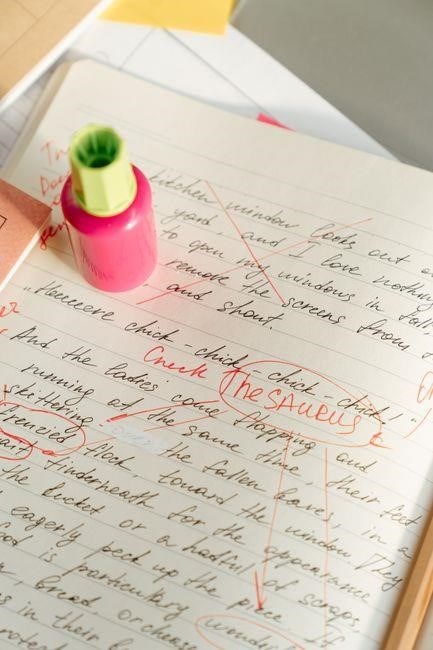
Tools for Annotating Collocations in PDFs
Use Adobe Acrobat or Foxit for precise markup‚ highlighting collocations and adding sticky notes. Dedicated apps like Anki or Quizlet PDFs import annotated snippets‚ turning them into flashcards. Obsidian‑PDF‑Plus offers Vim keybindings for rapid tagging and contextual study. Boost retention daily!!.
PDF Annotation Software (e.g.‚ Adobe Acrobat‚ Foxit)
When working with collocation practice‚ the choice of annotation tool can shape the learning experience. Adobe Acrobat Reader DC offers a robust set of features: sticky notes‚ text highlights‚ and the ability to embed comments directly into the PDF. Users can tag collocations with custom labels‚ create color‑coded categories‚ and even link to external resources. Foxit PhantomPDF provides similar capabilities but adds a lightweight‚ fast interface that allows learners to locate specific collocation patterns across large corpora quickly.
Both platforms support export of annotated PDFs to formats such as XML or CSV‚ enabling integration with spaced‑repetition systems. For example‚ a learner can export a list of highlighted collocations‚ import them into Anki‚ and schedule review sessions. Additionally‚ the ability to record voice notes in Acrobat or Foxit helps reinforce pronunciation and contextual usage.
- Adobe Acrobat: advanced comment management‚ PDF‑to‑text conversion‚ digital signatures.
- Foxit PhantomPDF: fast rendering‚ batch processing‚ customizable toolbars.
Choosing the right tool depends on workflow preferences. Learners who need a smooth export to flashcard apps may prefer Acrobat’s options. Those prioritizing speed and low resource use favor Foxit’s streamlined interface. Both tools let users annotate‚ organize‚ and revisit collocations efficiently‚ turning PDFs into interactive study companions. Enhances learning for all levels quickly!
Dedicated Collocation Study Apps (e.g.‚ Anki‚ Quizlet PDFs)
Collocation learning thrives when PDF data is transformed into interactive flashcards. Anki‚ a spaced‑repetition engine‚ accepts CSV imports‚ allowing users to map highlighted collocations to question–answer pairs. Each card can display the source sentence‚ the collocation‚ and a definition‚ reinforcing contextual memory. Quizlet offers a similar workflow but emphasizes collaborative study sets; users can upload PDF‑derived collocation lists‚ tag them‚ and share with peers. Both platforms support audio‚ images‚ and web links‚ enabling multimodal reinforcement.
- Anki: customizable decks‚ powerful scheduling‚ community add‑ons for PDF parsing.
- Quizlet: instant sharing‚ built‑in games‚ mobile‑friendly interface.
By linking PDF annotations to these apps‚ learners create a continuous loop: read‚ highlight‚ export‚ review. This cycle accelerates retention and encourages active retrieval‚ turning static PDFs into dynamic learning tools.

Integrating these apps with PDF readers allows learners to annotate directly‚ then export tags for flashcard creation. This synergy ensures that collocation practice remains contextual and immediately applicable.
Students can also use the built‑in search function of PDF readers to locate collocation patterns across large corpora‚ then copy the highlighted segments into Anki decks for spaced repetition. This approach combines corpus linguistics with fast learning‚ reinforcing collocations in contexts.

Methodology for Using PDFs in Collocation Learning
Start by selecting a PDF corpus rich in authentic language. Highlight frequent collocations‚ then export the text to a spreadsheet. Use spaced‑repetition software to create flashcards‚ embedding the source sentence for context; Review daily‚ noting new patterns. Enhance retention by reviewing weekly. now?
Step-by-Step Study Routine
Choose a PDF that contains authentic language‚ such as academic papers or news articles. 2. Open the file in a PDF viewer that supports annotation. 3. Scan for recurring word pairings—look for adjectives that frequently precede nouns‚ verbs paired with objects‚ and adverbs that modify verbs. 4. Highlight each collocation and add a note with the sentence context. 5. Export the highlighted text to a spreadsheet‚ listing the collocation‚ part of speech‚ and example sentence. 6. Import the data into a spaced‑repetition app like Anki‚ creating cards that display the collocation on the front and the full sentence on the back. 7. Review the cards daily‚ focusing on pronunciation and usage. 8. Every week‚ revisit the PDF to find new collocations‚ repeating steps 3–7. 9. Finally‚ practice speaking by constructing sentences that incorporate the collocations you have learned. Additionally‚ keep a log of new collocations in a separate notebook or digital document. Review them weekly to reinforce memory. Use them in writing assignments‚ ensuring each sentence demonstrates correct collocation usage. Seek feedback from peers or instructors to confirm accuracy. Over time‚ your internalized collocation repertoire will expand‚ enabling more natural and fluent communication. Finally‚ integrate collocation drills into your daily routine by setting aside ten minutes each morning to review flashcards‚ and ten minutes each evening to write paragraphs new collocations‚ ensuring consistent practice.