The resurgence of manual transmissions, particularly in performance vehicles, fuels demand for upgraded 6-speed shift knobs, enhancing the driving experience and control.
What is a 6-Speed Manual Shift Knob?
A 6-speed manual shift knob is the component drivers directly interact with to change gears in a vehicle equipped with a six-speed manual transmission. Beyond its functional role, it significantly impacts the feel and aesthetics of the interior. Often replaced to personalize a vehicle, these knobs come in diverse materials – aluminum, Delrin, carbon fiber, or leather – each offering a unique tactile experience. They connect to the shift lever, translating driver input into gear selection, and are crucial for precise control.
Why Upgrade Your Shift Knob?
Upgrading a shift knob transcends mere aesthetics; it’s about enhancing the connection between driver and machine. Aftermarket knobs often offer improved ergonomics, weight, and grip, leading to quicker, more precise shifts. Personalization is key, allowing drivers to reflect their style. Performance gains are possible, with weighted knobs improving shift feel. Replacing a worn or damaged knob restores functionality and elevates the overall driving experience, making it more enjoyable.

Materials Used in 6-Speed Manual Shift Knobs
Shift knobs utilize diverse materials like aluminum, Delrin, carbon fiber, and leather, each offering unique properties regarding weight, grip, and thermal characteristics.
Aluminum Shift Knobs
Aluminum shift knobs are a popular choice due to their lightweight nature and excellent heat dissipation properties. They often feature a sleek, modern aesthetic and can be anodized in various colors for customization. While lighter than some materials, aluminum provides a solid feel and enhances shifting precision.
These knobs are generally more affordable, making them accessible for enthusiasts seeking an upgrade without a substantial investment. Durability is also a key benefit, resisting corrosion effectively.
Delrin/Acetal Shift Knobs
Delrin, also known as acetal, shift knobs offer a unique tactile experience. They possess a slightly textured surface providing a secure grip, even with gloved hands. These knobs are known for their durability and resistance to wear, maintaining their shape and feel over time. Delrin is also lightweight, contributing to quicker shifts and reduced driver fatigue.
They are a favored choice among performance drivers seeking consistent grip and control.
Carbon Fiber Shift Knobs
Carbon fiber shift knobs represent a premium option, blending lightweight construction with aggressive styling. Renowned for their exceptional strength-to-weight ratio, they minimize shift weight, promoting faster, more precise gear changes. The distinct woven pattern adds a sporty aesthetic to the interior. While generally more expensive, carbon fiber provides a high-performance feel and a visually striking upgrade for enthusiasts.
Leather-Wrapped Shift Knobs
Leather-wrapped shift knobs offer a classic and comfortable feel, providing a secure grip during spirited driving. Often paired with a core material like aluminum or Delrin, they combine durability with a luxurious aesthetic. Available in various colors and stitching patterns, leather knobs enhance the interior’s sophistication. They offer a warmer touch, especially in colder climates, improving overall driver comfort.
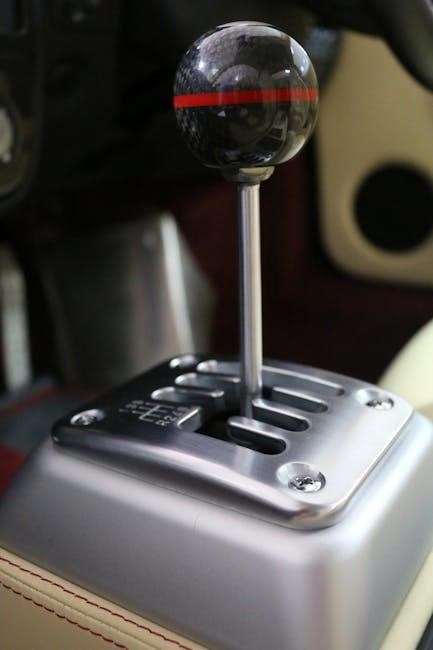
Shift Knob Weight and Ergonomics
Weight and shape significantly impact shifting feel and driver comfort. Ergonomic designs reduce fatigue, while weighted knobs offer a more connected and precise gear change.
The Impact of Weight on Shifting Feel
Shift knob weight dramatically alters the tactile experience of driving a manual transmission. Lighter knobs facilitate quicker shifts, ideal for racing, but can feel less substantial. Heavier knobs, conversely, provide a more deliberate and connected feel, enhancing driver confidence and precision during everyday driving.
The increased inertia from a heavier knob can also help smooth out gear changes, reducing notchiness and improving overall refinement. Finding the optimal weight is a balance between personal preference and driving style.
Ergonomic Design Considerations
A well-designed shift knob prioritizes comfort and control during every drive. Contoured shapes and textured surfaces enhance grip, reducing fatigue on longer journeys. Knob size and shape must complement hand size and driving style for optimal leverage.
Considerations include minimizing sharp edges and ensuring a comfortable palm fill. Ergonomics directly impact shifting speed and accuracy, contributing to a more engaging driving experience.

Shift Knob Thread Patterns and Compatibility
Ensuring proper fitment is crucial; common thread sizes like M10x1.25 and M12x1.5 dictate compatibility, often requiring adapters for specific vehicles.
Common Thread Sizes (e.g., M10x1.25, M12x1.5)
Understanding thread patterns is vital for a secure shift knob installation. The most prevalent sizes are M10x1.25, frequently found in Honda and Acura vehicles, and M12x1.5, common in Nissan, Subaru, and Mitsubishi applications. However, variations exist! Some BMWs and older vehicles may utilize different sizes. Incorrect threading can damage the shift lever, so verifying your vehicle’s specific thread pitch before purchasing is absolutely essential for a proper, safe fit.
Adapters for Different Vehicles
Vehicle-specific thread patterns often necessitate the use of adapters. These adapters bridge the gap between the shift knob’s thread and the vehicle’s shift lever. They’re crucial for universal fitment, allowing a wider range of shift knobs to be installed. Adapters are readily available in various sizes, ensuring compatibility across numerous makes and models, providing a secure and reliable connection for enhanced driving control.

Aesthetic Considerations & Customization
Shift knobs offer extensive personalization, from sleek designs and vibrant colors to unique materials, allowing drivers to reflect their style and enhance the interior.
Shift Knob Styles (e.g., Ball, Sphere, Torpedo)
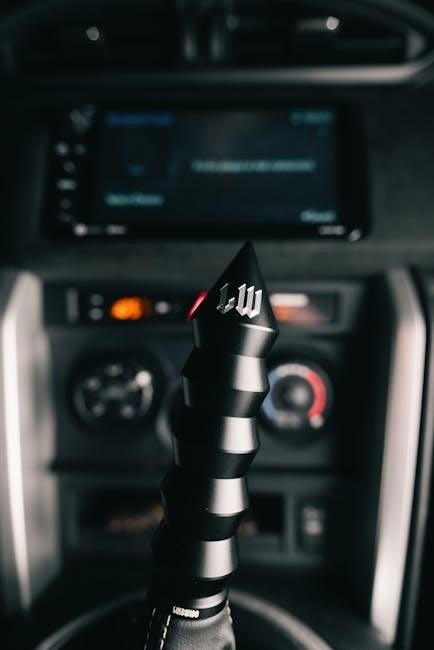
Diverse shift knob styles cater to individual preferences and driving styles. Classic ball-style knobs provide a familiar grip, while sphere shapes offer a comfortable palm feel. Torpedo knobs, elongated and weighted, promote quicker, more deliberate shifts. Beyond these, unique designs like mushroom, teardrop, and custom sculpted options exist, blending form and function. The chosen style significantly impacts the overall driving experience, influencing both comfort and shift speed.
Color and Finish Options
Shift knobs boast a vast array of color and finish choices, allowing for personalized vehicle interiors. Options range from sleek black anodized aluminum to vibrant reds and blues. Finishes include polished chrome, brushed stainless steel, matte textures, and durable powder coats. These aesthetic details complement the car’s interior, reflecting the driver’s style. Custom engraving and color matching services further enhance personalization possibilities.
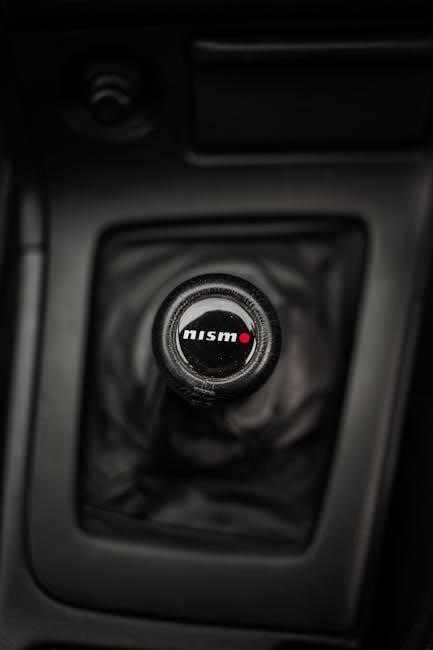
Installation of a 6-Speed Manual Shift Knob
Replacing a shift knob is generally straightforward, requiring minimal tools and time, offering a quick and satisfying upgrade for any manual transmission vehicle.
Tools Required
For a seamless 6-speed manual shift knob installation, you’ll typically need a few basic tools. A common requirement is an Allen wrench or hex key set, matching the set screw size on the new knob. Sometimes, a wrench set is needed for specific knob designs. Thread sealant, like Teflon tape, can ensure a secure fit. A clean cloth is useful for protecting surfaces, and potentially a rubber mallet for gently persuading a stubborn knob off the shift lever. Safety glasses are always recommended!
Step-by-Step Installation Guide
Begin by firmly gripping the existing shift knob and unscrewing it from the shift lever. If stuck, use gentle persuasion – avoid excessive force! Clean the threads on the lever. Apply Teflon tape to the lever’s threads for a secure fit. Carefully screw on the new 6-speed shift knob, aligning it correctly. Tighten the set screw using an Allen wrench, ensuring it’s snug but not over-tightened. Test the shifting action!
Popular Brands of 6-Speed Manual Shift Knobs
B&M, Skunk2, and Weighted Shift Knobs consistently deliver high-quality, performance-oriented options for enthusiasts seeking enhanced control and a refined feel.
B&M Racing & Performance
B&M Racing & Performance has a long-standing reputation within the automotive aftermarket, particularly celebrated for its robust and performance-driven manual transmission components. They offer a diverse catalog of 6-speed shift knobs, ranging from classic ball-style designs to more modern, ergonomic shapes.
Known for durability and precision engineering, B&M knobs often feature weighted designs intended to improve shift feel and reduce throw. Their product line caters to a broad spectrum of vehicles and driving styles, making them a popular choice for both street and track applications.
Skunk2 Racing
Skunk2 Racing is a highly respected name in the Honda and Acura performance community, extending its expertise to 6-speed manual shift knobs. They focus on creating lightweight yet durable knobs, often machined from high-quality aluminum, to optimize shifting performance.
Skunk2’s designs prioritize a direct connection between the driver and the transmission, aiming for quicker, more precise gear changes. Their shift knobs are frequently found in track and racing environments, reflecting a commitment to performance enhancement.
Weighted Shift Knobs
Weighted shift knobs represent a popular aftermarket upgrade, designed to alter the feel of the gear changes in a 6-speed manual transmission. The added mass provides increased rotational inertia, creating a more substantial and deliberate shifting experience.
Many enthusiasts believe this improves accuracy and reduces the likelihood of missed shifts, particularly during spirited driving. Weights vary considerably, allowing drivers to customize the feel to their preference and driving style.

Performance Benefits of Aftermarket Shift Knobs
Aftermarket shift knobs can notably refine shifting precision and potentially decrease shifting durations, offering a more connected and responsive driving experience for enthusiasts.
Improved Shifting Accuracy
A well-chosen shift knob significantly enhances shifting accuracy by providing a more tactile and defined feel during gear changes. The improved grip and weight distribution minimize missed shifts, especially during spirited driving. This heightened control allows drivers to confidently select the desired gear, optimizing performance and maintaining momentum. Precision is key, and a quality knob delivers just that, fostering a more engaging and rewarding connection with the vehicle’s transmission.
Reduced Shifting Times
Aftermarket 6-speed shift knobs often contribute to reduced shifting times through optimized weight and ergonomic design. A heavier knob creates rotational momentum, allowing for quicker transitions between gears. The improved grip and shape facilitate faster, more decisive movements. These subtle enhancements accumulate over repeated shifts, ultimately leading to noticeable performance gains and a more responsive driving experience, particularly on the track or during aggressive driving scenarios.
Cost and Budget Considerations
Shift knob prices vary widely, from affordable plastic options to premium materials like carbon fiber or leather, impacting overall budget allocation for vehicle upgrades.
Price Range for Different Materials and Brands
Budget-friendly plastic or basic aluminum knobs typically range from $20 to $50, offering a simple upgrade. Delrin/Acetal options fall between $40 and $80, providing improved feel. Premium materials like carbon fiber or titanium can exceed $150, sometimes reaching $300+.
Renowned brands like B&M and Skunk2 generally command higher prices, from $60 to $180, reflecting their quality and performance focus. Weighted knobs often add a $20-$50 premium, depending on the weight and material.
Finding Deals and Discounts
Online retailers frequently offer sales and promotions on shift knobs, especially during holidays or automotive events. Checking enthusiast forums and online marketplaces can uncover used or discounted options from fellow drivers.
Comparing prices across multiple vendors is crucial, and signing up for email newsletters can provide exclusive discount codes. Consider bundle deals when purchasing alongside other car accessories for added savings.
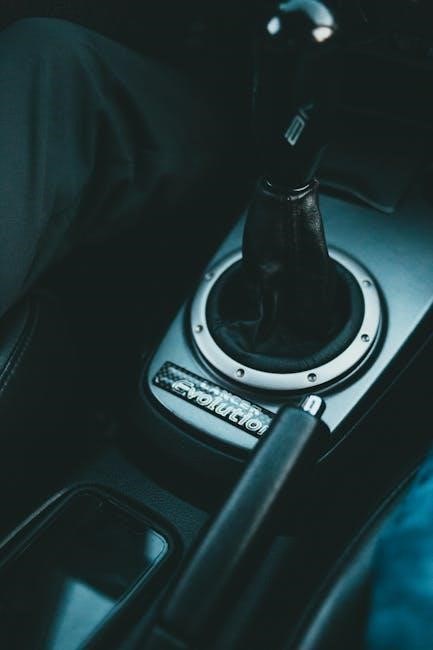
Maintenance and Care
Regular cleaning with mild soap and water preserves the shift knob’s appearance and grip. Polishing metal knobs prevents corrosion, ensuring long-lasting performance and aesthetics.
Cleaning and Polishing
Maintaining your 6-speed manual shift knob’s condition is crucial for both aesthetics and tactile feel. For most materials, a simple regimen of warm water and mild soap is sufficient for routine cleaning. Avoid abrasive cleaners that could scratch or dull the finish.
Metal shift knobs, like aluminum or stainless steel, benefit from periodic polishing with a dedicated metal polish to restore shine and prevent corrosion. Leather-wrapped knobs require gentle cleaning with a leather cleaner and conditioner to prevent cracking and maintain suppleness.
Preventing Wear and Tear
Prolonging the life of your 6-speed shift knob involves mindful usage and preventative measures. Avoid excessive force during shifts, as this can damage the knob or its threading. Regularly inspect the shift knob for any signs of loosening or damage, tightening as needed.
Protecting the knob from extreme temperatures and direct sunlight can prevent fading or material degradation. Consider using a protective boot or cover when the vehicle is parked for extended periods.
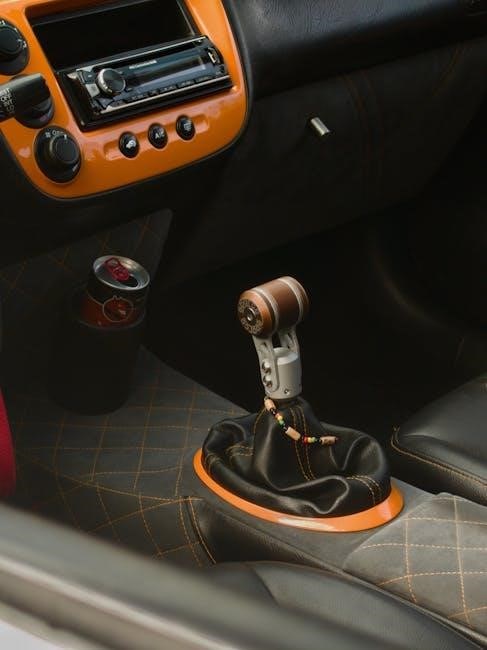
Future Trends in Shift Knob Design
Innovations are merging technology with tactile feel, exploring integrated displays, biometric sensors, and advanced materials for personalized shifting experiences.
Integration with Technology
Shift knobs are evolving beyond simple levers, incorporating digital displays showing gear selection, lap times, or even engine diagnostics. Haptic feedback systems could subtly guide drivers to optimal shift points, improving performance. Biometric sensors within the knob might personalize settings based on the driver’s grip and style. Wireless charging pads for devices and customizable RGB lighting are also emerging trends, blending functionality with aesthetic appeal, creating a truly connected driving experience.
New Materials and Manufacturing Processes
Innovative materials like titanium alloys and advanced polymers are appearing in shift knob construction, offering superior strength-to-weight ratios. 3D printing allows for complex geometries and customization previously impossible with traditional machining. Forging techniques enhance material density, improving durability. Expect to see more eco-friendly, recycled materials utilized, alongside advanced coating processes for enhanced grip and corrosion resistance, pushing the boundaries of shift knob design and performance.