Overview of Misty Alto Sax Sheet Music PDF
Discover how the Misty alto sax PDF offers a concise 2‑page arrangement, featuring the iconic melody, harmony, and chord progressions over 12 bars. Ideal for soloists and ensembles, it includes a clear solo transcription and flexible instrumentation options. Available in PDF, TXT, andonline now
Song Popularity and Cultural Impact
Misty has become a staple in jazz repertoire, first gaining traction through Erroll Garner’s 1954 rendition and later through Dave Koz’s smooth‑swing version that reached the Billboard Adult Contemporary chart in 1995. Its haunting melody and lush harmonic structure have inspired countless saxophonists, leading to frequent inclusion in teaching curricula and audition pieces worldwide. The piece’s adaptability—easily transposed for soprano, tenor, and even clarinet—has broadened its reach across ensembles, from small combos to full big bands. In popular media, Misty has appeared in film soundtracks, television commercials, and live concert recordings, reinforcing its status as a cultural touchstone. The song’s enduring popularity is reflected in the high volume of sheet‑music downloads, with the PDF format offering instant access for students and professionals alike. Moreover, Misty’s influence extends into contemporary genres, where artists blend its chord progressions into pop, R&B, and electronic compositions, demonstrating its timeless appeal. The widespread use of Misty in jazz education, performance circles, and media underscores its significant cultural impact, cementing it as a timeless standard that continues to resonate with new generations of musicians. Collectors and educators alike value Misty’s PDF for its clean notation, precise dynamics, and the ease with which it can be integrated into lesson plans or performance programs for all!!! The PDF format supports search and copy features, letting musicians annotate passages, adjust tempo markings, and export to MIDI for use with digital audio workstations now daily.

Erroll Garner’s Original Composition
In 1921, Garner’s “Misty” debuted in 1954, blending motifs with harmony. His piano version, later transcribed for alto sax, showcases syncopated rhythms and a lyrical melody that became a jazz standard, influencing generations worldwide.!
Composition Details and Original Arrangement
Erroll Garner’s “Misty” was first recorded in 1954 and has since become a jazz staple. The original piano version is set in E‑flat major, with a moderate swing tempo of around 90 BPM. The harmonic structure follows a 32‑bar form, featuring a head that introduces the main theme, a bridge that modulates through related keys, and a return to the head. In the alto sax transcription, the melody is transposed to fit the instrument’s range, preserving the lyrical phrasing while allowing for expressive vibrato. The arrangement by Terry White retains the original chord voicings, including the characteristic ii‑V‑I progressions and extended harmonies such as 9th, 11th, and 13th chords. The solo section is written to accommodate improvisation, with a 12‑bar vamp that mirrors the head’s rhythmic feel. The score includes detailed dynamics, articulation marks, and a clear indication of the swing feel, making it accessible for both beginners and seasoned players. This concise 2‑page PDF provides all necessary parts for a solo alto sax performance or a small ensemble setting; The arrangement also offers optional reharmonizations, allowing performers to experiment with modal interchange and chromatic passing tones. The rhythmic feel is captured through syncopated eighth‑note patterns that encourage a relaxed swing. Advanced players can explore dynamic shading, subtle tempo rubato, and varied articulations to bring personal expression to the classic theme. It encourages personal reinterpretation

Dave Koz’s Popular Arrangement
Dave Koz’s rendition of “Misty” is a smooth jazz version featuring a laid‑back groove, extended harmonies, and an alto sax solo. The PDF shows the full 12‑bar arrangement with chord symbols, melodic lines, and dynamic markings with swing feel and
Arrangement Features and Solo Transcription
Dave Koz’s popular rendition of “Misty” is captured in a concise PDF that highlights its smooth jazz flavor. The arrangement is built around a 90‑BPM swing groove, featuring extended harmonies such as added 9ths, 11ths, and 13ths that give the piece a lush, contemporary feel. The alto sax line is written in a single‑voice format, with a clear solo section that spans 12 bars. The solo transcription is annotated with dynamic markings (p‑p‑pp‑mp‑mf‑f) and rhythmic cues that emphasize syncopated eighth‑note runs and tasteful use of triplets. The PDF also includes chord symbols above the staff, allowing performers to improvise or play the full arrangement; The notation is in E‑flat, matching the standard alto sax key, and the staff is set in a 4‑/4 time signature with a swing feel indicated by the “swing” notation. The arrangement’s texture is designed for both solo performance and ensemble use, with optional accompaniment parts for piano, bass, and drums. The solo transcription is written in a way that balances technical difficulty with musical expression, making it suitable for intermediate to advanced players. The PDF is available in both printable and digital formats, ensuring easy access for rehearsal and performance. The arrangement also features a subtle pedal point in the bass line that anchors the harmony, and the solo section includes a brief, melodic bridge that transitions smoothly into the final refrain. The soloist can also incorporate a subtle use of portamento between phrases, a

Alfred Music Editions for Alto Sax
Alfred Music offers a 2‑page PDF for “Misty” in E‑flat, featuring a full ensemble score and individual parts. The set includes conductor’s score, alto sax, trumpet, piano, bass, and drums. Parts are downloadable as PDFs, printable, and ready for rehearsal. Ideal for students and professionals alike.!!

Available Parts and Ensemble Options
Alfred Music’s Misty edition delivers a versatile set of parts tailored for both soloists and full jazz ensembles. The PDF bundle contains a conductor’s score, a full‑band arrangement, and individual parts for alto saxophone, trumpet, piano, bass, and drums. Each part is formatted in standard staff notation, with clear chord symbols and dynamic markings. The alto sax part features the original solo line, while the trumpet part offers an alternate melodic line for dual‑lead performance. The piano part includes comping chords and a simple left‑hand accompaniment, and the bass part provides a walking‑bass line that anchors the harmony. The drum part is written in a swing style, with a basic ride pattern and optional accents. All parts are in E‑flat, matching the standard alto saxophone. The set also offers a “solo transcription” PDF that isolates the alto sax solo for focused practice. Musicians can print each part separately or assemble the full ensemble score for rehearsal. The PDF is downloadable in high‑resolution format, ensuring crisp notation for both digital and print use. This comprehensive package supports a range of ensemble sizes, from a small combo to a full big‑band arrangement, making it a practical choice for educators, students, and professional groups alike.
The PDF contains rehearsal marks, cues, and phrasing notes, aiding lesson planning. Students can download the parts, practice the solo, and record themselves, using the PDF as a reference for performance analysis now.
Digital Sheet Music Formats and File Types
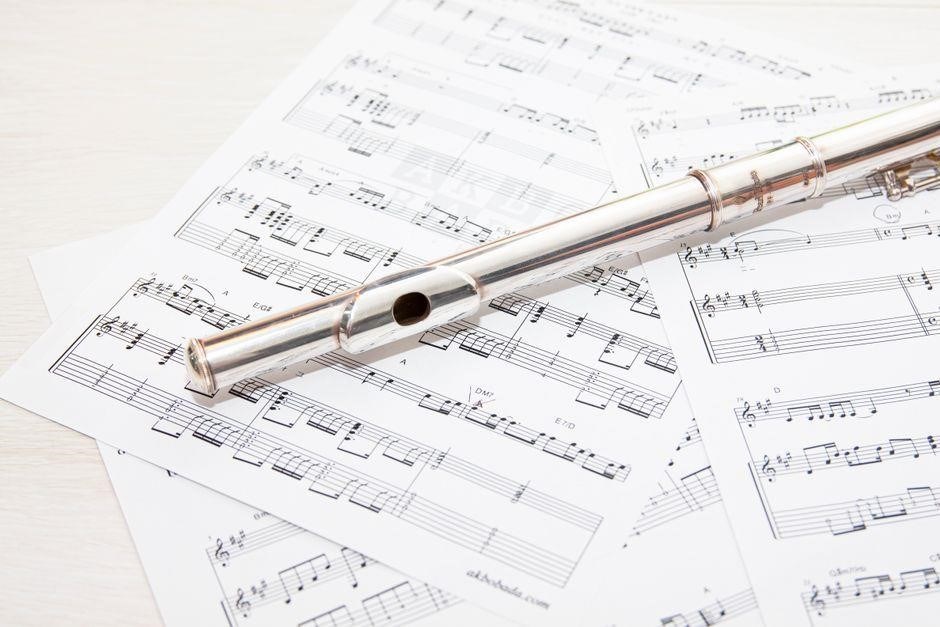
Digital formats for Misty include a high‑resolution PDF for print, a plain‑text TXT file for quick reference, and a printable version that preserves all staff notation. Users can download or view online, ensuring accessibility across devices. The files support both desktop and mobile platforms. Enjoy
PDF, TXT, and Printable Options
Users seeking Misty alto sax sheet music can access the score in multiple digital formats. The primary PDF file delivers a crisp, print‑ready version that preserves all musical symbols, chord symbols, and dynamic markings. It is ideal for musicians who prefer a physical copy or need to annotate the score. The TXT file offers a lightweight alternative, containing the melody line and chord symbols in plain text. This format is useful for quick reference or for integration into digital notation programs that accept text input. Additionally, the printable option allows users to download a high‑resolution PDF that can be printed on standard 8.5×11 sheets or on larger formats for ensemble use. All three formats are available through official publisher sites and community platforms, ensuring that performers can choose the method that best fits their workflow. The PDF and printable versions support embedded hyperlinks to chord charts and tempo markings, while the TXT file can be easily converted into other notation software such as MuseScore or Sibelius. By offering these flexible options, the Misty alto sax collection caters to both traditional print‑based musicians and those who rely on digital tools for rehearsal and performance. Users can export the PDF to PDF‑X or SVG, or convert the TXT to MIDI for playback. The file size stays, for sharing via email or storage. Whether you’re a teacher, this collection offers a resource for performance setting.
Legal Considerations and Copyright
Copyright for Misty remains active; original by Erroll Garner, arrangements by Terry White and Dave Koz. Users must obtain permission for public performance or distribution. Fair use may apply for educational or critique but not for commercial use. !!

Copyright Status and Fair Use
Erroll Garner’s “Misty” was first published in 1944, and the original composition remains under copyright protection. The standard alto‑sax arrangement released by Alfred Music and distributed by major publishers is likewise protected. Because the work is not in the public domain, any reproduction—printing, digital download, or online streaming—requires explicit permission from the rights holder or an authorized distributor. For performers, a mechanical or performance license is typically needed for public or commercial use. In educational settings, the doctrine of fair use may allow limited excerpts for critique, analysis, or teaching, provided the use is transformative, non‑commercial, and does not substitute for the original. However, the threshold for fair use is narrow; large‑scale distribution or commercial exploitation of the PDF would almost certainly infringe. Musicians should consult the publisher’s licensing guidelines or seek a direct license to avoid legal complications. The safest approach is to purchase the sheet from the publisher use a licensed platform that guarantees compliance with copyright law. Because the original score is protected for 70 years after the composer’s death, the arrangement’s copyright may extend beyond that period, depending on the publisher’s terms. Musicians should always verify the specific licensing terms before using the PDF in recordings or public performances. Consult a music rights specialist can clarify any uncertainties. —all rgt.

Trusted Sources for Free PDF Downloads
Official publisher sites, like Alfred Music, provide licensed PDFs for purchase. Community platforms such as MuseScore and IMSLP host user‑generated transcriptions, but check copyright status. Always verify legality before downloading. Legal note.
Official Publisher Sites and Community Platforms
Alfred Music’s portal offers licensed PDFs of Misty for alto sax, ensuring high‑resolution, copyright‑compliant files. The 2‑page score includes chord symbols and a solo transcription, ideal for practice or performance. After purchase, the file is downloadable instantly, printable, and retains the original layout.
Community sites like MuseScore and IMSLP host user‑generated versions. These files are free but legality varies; users should verify licensing before public use. MuseScore often adds annotations or alternate voicings, while IMSLP may list public‑domain versions. Both platforms allow rating, commenting, and sharing, fostering collaboration among saxophonists. The community versions are often updated by contributors, providing alternative phrasing and dynamic markings that reflect modern playing styles. Users can download the files in PDF or MuseScore format, allowing them to edit the score directly in their preferred notation software. Additionally, many contributors include MIDI files, enabling playback at the desired tempo.
When selecting a source, consider purpose. Licensed PDFs guarantee authenticity; community versions offer flexibility. Always check licensing info on the download page, and contact the publisher if unsure. Balancing official and community resources lets musicians access a broad range of arrangements while staying compliant with copyright laws.!!!

Performance Tips and Practice Resources
Maintain a steady swing feel at 90 BPM. Practice the 12‑bar phrase slowly, then build speed. Use a metronome, record, and listen for phrasing. Emphasize dynamics, especially in the solo. Add breathing exercises to sustain long phrases. Record yourself, analyze phrasing, adjust dynamics for depth.
Rhythmic Interpretation and Technical Practice
Mastering the swing feel is essential for Misty. Begin by setting a metronome at 90 BPM, then practice the 12‑bar phrase in eighth‑note subdivisions. Focus on the syncopated off‑beat accents that give the piece its relaxed groove. Use a metronome with a click track that emphasizes the downbeat, then gradually add a second click on the upbeat to internalize the swing.
For technical growth, isolate the melodic line and play it in a slow, legato style, then gradually increase tempo while keeping the phrasing smooth. Work on the long, sustained notes by practicing long‑hold exercises on a single pitch, ensuring even tone and steady airflow. Add dynamic shaping—soft (p) to loud (f)—to create contrast in the solo section.
Incorporate articulation drills: staccato for the rhythmic hits, and legato for the lyrical phrases. Practice the chord changes by playing the harmony on a piano or a backing track, then play the sax solo over it to reinforce the harmonic context. Record each practice session, listen for timing, and adjust the swing feel accordingly.
Finally, rehearse the entire piece with a metronome that has a swing setting, or use a backing track that reflects the original groove. This will help you internalize the rhythmic nuances and deliver a polished performance.
Practice with a metronome set to a swing feel, and record yourself to fine‑tune phrasing. Now.